
Hatters Instruments. Brand, merch and website for a Portsmouth luthier.
A repair, restoration and custom build workshop for guitars and other stringed instruments.
Visit Hatters Instruments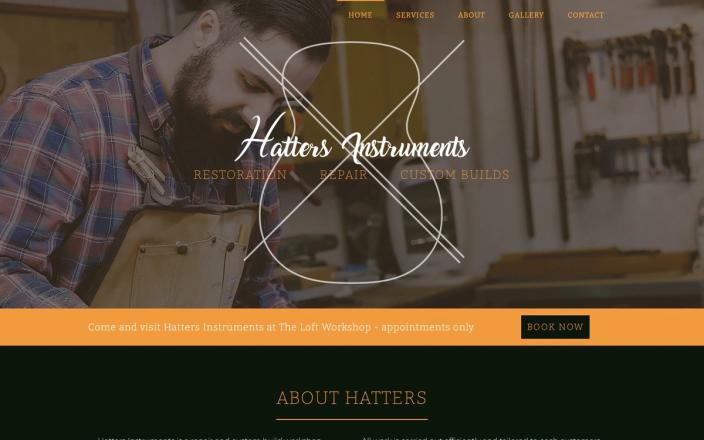
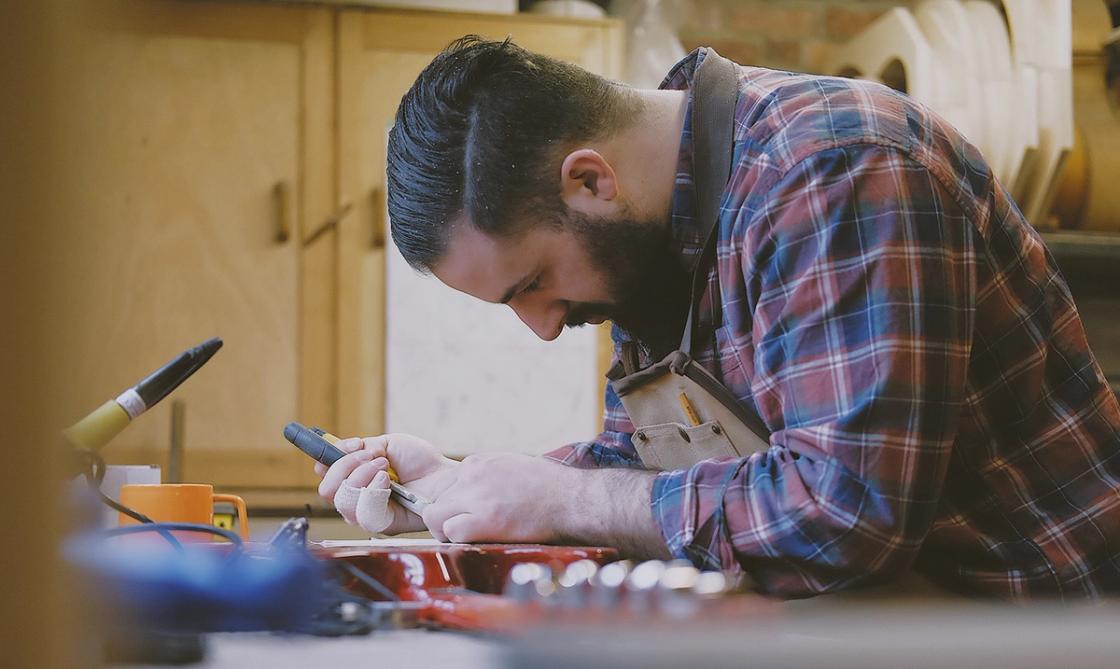
Josh is a luthier and the founder of Hatters Instruments. From his workshop in Portsmouth, he repairs, restores and custom builds guitars, ukuleles and other stringed instruments. We’ve worked with him for years, and it’s grown well beyond a website. We shaped the brand and the thinking behind it, built a brand around his logo, designed his business cards and merch, built his website, and now host it and help the business grow. We’ve moved with Josh whenever he has moved and tweaked his business. Everything we make for Hatters has one job: to show the craft and care Josh brings to every instrument on his bench.
Josh learned woodwork alongside his dad from an early age and has played for over fifteen years. At a Christian music academy in Coventry, nobody could afford to get their instruments fixed, so he bought some tools and taught himself. He was hooked. He went on to earn a degree in musical instruments at London Metropolitan University, specialising in acoustic guitars, and built a travel guitar, a parlour guitar and an OM along the way. Today he runs Hatters full time, from the same workshop he grew up in.
The challenge
Josh’s work is careful and personal. Every instrument is looked over for free before any work starts, and every job begins with a proper chat with its owner. Afterwards he offers “free tweaks”: take it home, play it for a week or two, and bring it back if anything needs adjusting. That kind of care is hard to get across on a screen, or on a card the size of your palm.
He also offers three quite different services:
- Repair. The “minor surgery”: re-strings, set-ups, refrets, wiring and new nuts or saddles. Most jobs are done within a few days.
- Restoration. The “deep surgery”: headstock and neck repairs, braces, bridge replacements and cracks.
- Custom builds. Sitting down together to plan every detail of someone’s dream instrument, from the woods to the inlays and pickups.
Then there’s the practical bit. The workshop is by appointment only. So people need to understand what Josh does, trust him with something precious, and know exactly how to book.
Put together, Hatters needed far more than a website. It needed a brand people would remember, a logo that works everywhere, print and merch that feel as crafted as the instruments, and a home online that explains all three services and turns a curious visitor into a booking. And it needed someone to look after all of it, so Josh could keep his hands on the guitars.
It started with a website. Josh had been given a free build, but it lacked any real identity and, with the hosting coming to an end, it was time to rethink things. Josh is a creative through and through, with a head full of ideas and a talent for working with his hands rather than technology. He needed someone who could take those ideas and bring them to life, translating what he imagined into design, branding and code.
Nearly a decade on, we've built a strong working relationship and a real understanding of how each other works. I know how to interpret Josh's ideas, challenge them when needed and turn them into something tangible, while he can focus on what he does best.
Our approach
We started where we always do: a cuppa and a lot of questions. Who brings Josh their instruments? What do they care about? What makes Hatters different from a music shop with a repair counter? Then we worked outwards, one piece at a time, from the brand to print, to the website, to looking after it all.
Branding strategy
The answers kept pointing the same way. People don’t hand their guitar to a business. They hand it to a person. So the brand is built around Josh himself: the Hatter, a hands-on craftsman who knows wood and loves music, rather than a faceless shop.
We gave the brand a few simple rules to follow everywhere:
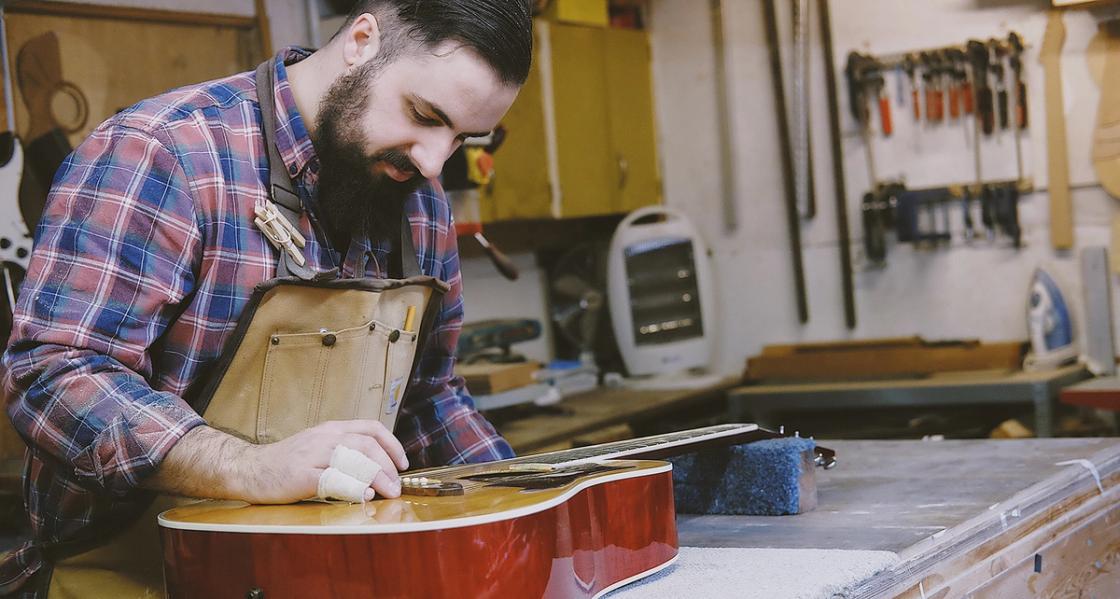
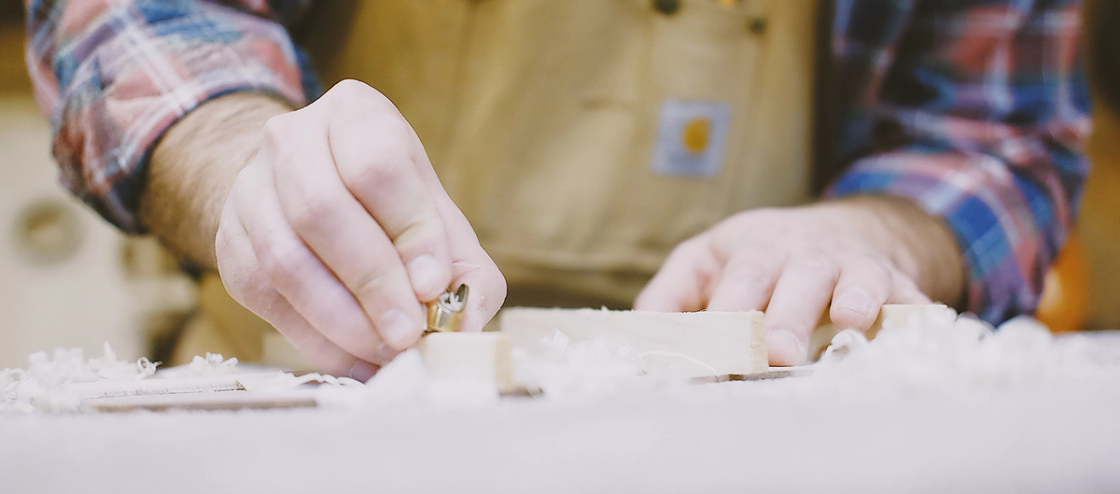
- Lead with the craft. Real tools, real wood and real instruments, never generic stock images of guitars.
- Say the three services every time. Restoration, Repair, Custom Builds. They work as a tagline, a menu and a promise all at once.
- Sound like Josh. Warm, plain and a little bit proud of the work. The website talks in the first person, because it really is just him.
- Make the next step obvious. It’s by appointment only, so every piece points to getting in touch.
Logo and identity
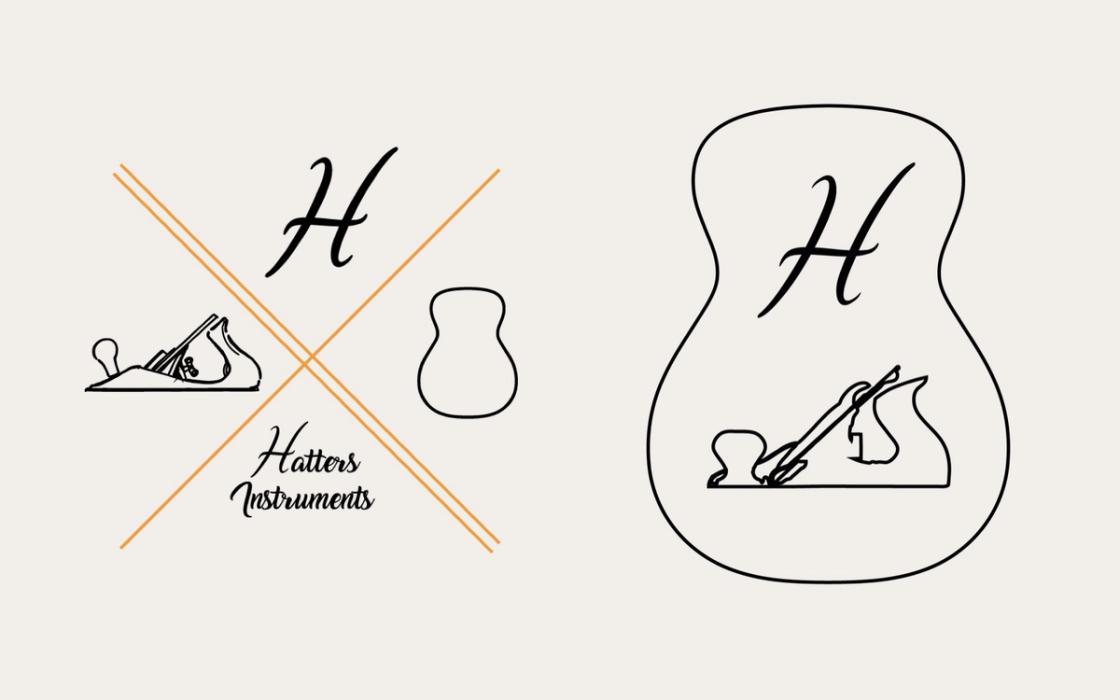
The identity is built from Josh’s world. There’s a flowing script “H” for the Hatter, a line drawing of a block plane (a woodworker’s hand tool, for shaving wood smooth) and the outline of an acoustic guitar body. In the main mark, they sit in the corners between two crossed amber lines, with the Hatters Instruments name tucked underneath. We call it the four-way mark.
There’s a second version too: the “H” and the block plane sitting inside the guitar outline. Every piece also works on its own. The “H” can stand alone on a swing tag or a sticker. The guitar outline sits quietly behind the logo on the website. And the full name, in handwritten script, leads wherever there’s room.
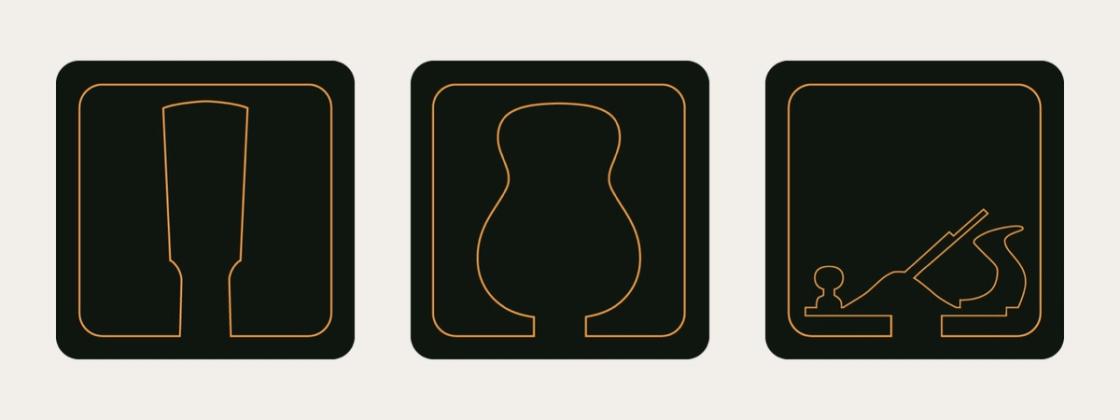
The palette is warm and woody: a deep, near-black brown, amber and tan, and a soft cream. The type pairs Poppins, a clean and friendly sans serif, with Sacramento, a handwritten script that echoes the logo. We also drew a set of three line icons, one for each service: the neck of a guitar for repair, a guitar body for restoration and a block plane for custom builds. They’re drawn in thin amber lines on dark tiles, to match the mark.
Business cards
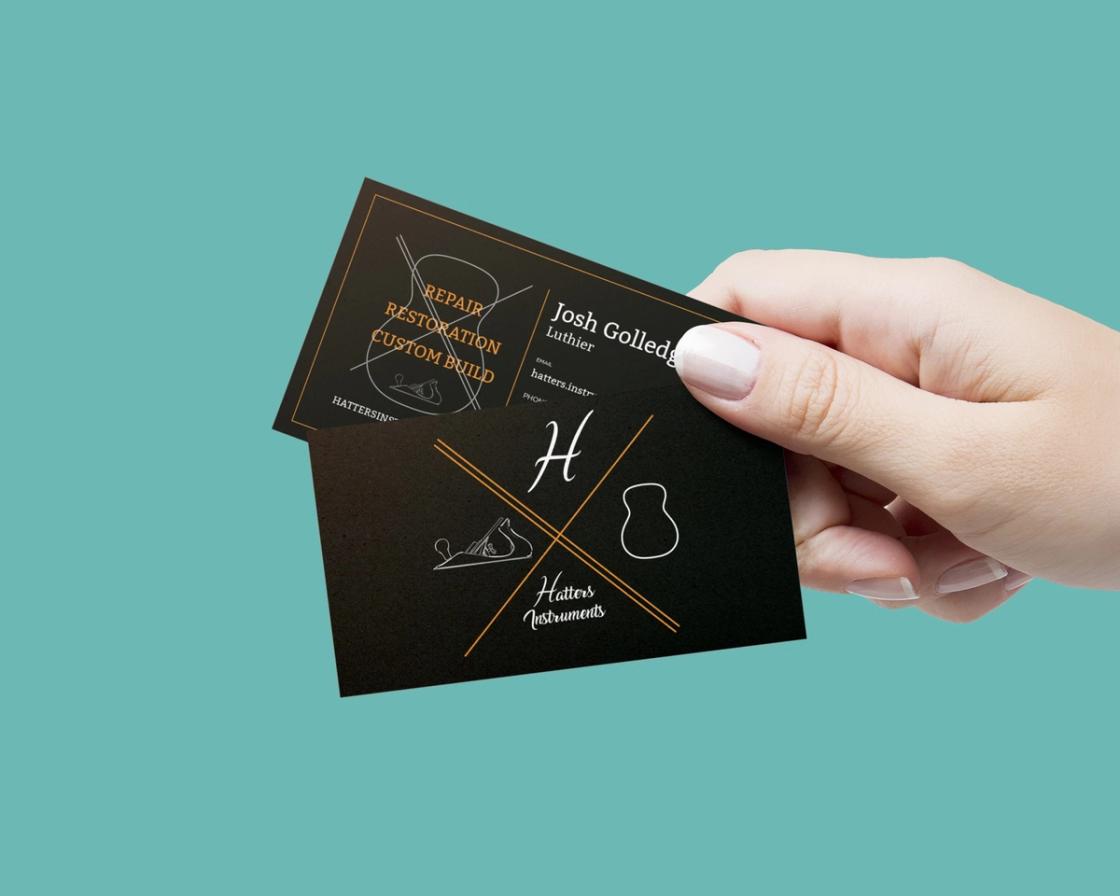
Josh meets most of his customers face to face, so his business card really matters. We designed it in black with fine amber lines. The four-way mark fills one side. The other lists Repair, Restoration and Custom Build over a faint guitar outline, with his name, “Luthier”, and his contact details alongside.
We’ve refreshed the cards since, as the business has grown. We also designed loyalty cards, a small thank-you for the regulars who keep coming back.
The website
Josh’s first website gave Hatters a proper home online. It had five core pages: Home, Services, Gallery, About and Contact. It introduced each of his services, showcased his work and gave potential customers a clear way to get in touch. Built in WordPress, it has served him well for years.
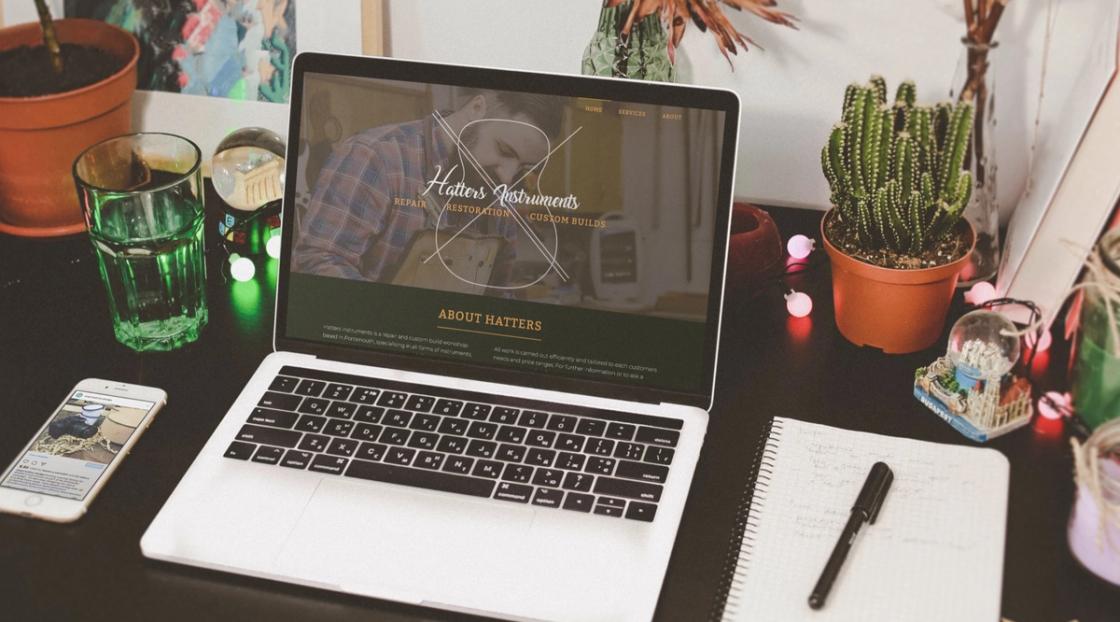
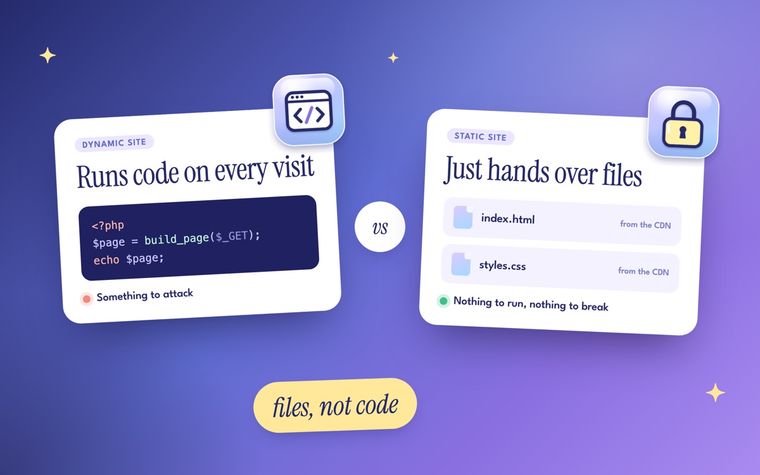
WordPress has been our bread and butter for a long time. It's a platform we know inside out and have built countless websites with. But as the web evolves, so does the way we approach building and looking after websites. Traditional WordPress setups rely on databases, plugins and regular updates, all of which bring ongoing maintenance requirements and potential security vulnerabilities.
We started looking at a different approach: something faster, leaner and with fewer moving parts to maintain. We began transitioning towards Astro and Sanity, offering our existing clients the opportunity to make the move too. Rather than simply rebuilding websites on the same foundations, we wanted to give them something more modern, with better performance, greater control and a more straightforward approach to ongoing maintenance.
Hatters is now part of that transition. We're rebuilding Josh's website from the ground up using Astro and Sanity.
Astro turns every page into lightweight HTML, helping the site load quickly, even on a patchy phone signal. Sanity is the content management system. It offers much the same straightforward editing process as WordPress, but in a simpler, more focused dashboard. Josh will be able to manage all his website content himself, from gallery photos and customer reviews to the text and details across the site, without needing to get in touch every time something changes. The design and structure stay firmly in our hands, so everything remains consistent with the Hatters brand.
Here's how we're putting it together:
Home. A full-height photo of the workshop sets the scene, with the logo and three services picked out in amber capitals. A bar underneath says it plainly: come and visit the workshop, appointments only, with a prominent "Book now" button. Below that, a short introduction, a card for each service with the icons we drew, customer reviews and an invitation to get in touch.
Services. Each of the three services gets its own section, with photographs of that kind of work pulled from the gallery and a link to see more. The page opens by explaining how Josh works, including his free tweaks. The restoration section carries a thank-you note from a customer whose husband's 46-year-old guitar Josh brought back to life.
Gallery. Every photo, organised by Repair, Restoration or Custom Builds. We've also written a small script to bring all 68 work photos across from the old website, each one tagged with its service, so nothing gets lost in the move.
About. Josh's story, in his own words, under the heading "Hi, I'm Josh, but you can call me the Hatter".
Contact. A short enquiry form that sends an email directly to Josh, alongside his phone number and email address. The appointments-only message sits right at the top, setting expectations before anyone gets in touch.
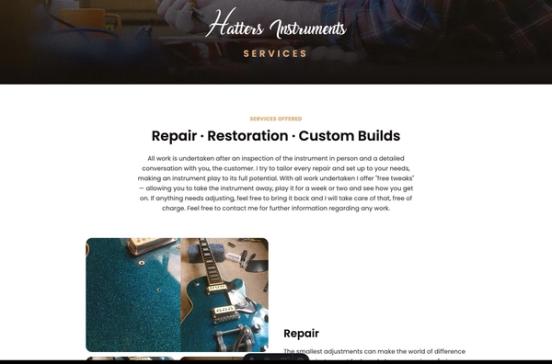
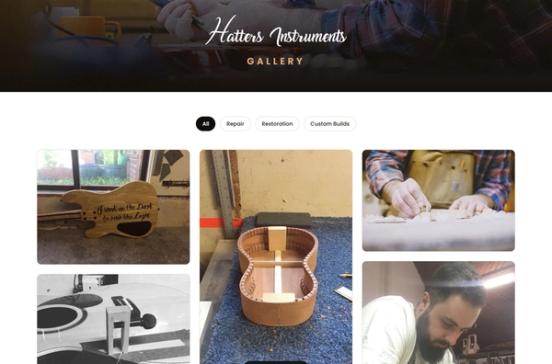
Booking runs right through the experience. There's a "Book an appointment" button in the header on every page, a "Book now" bar on the home page, and every service ends with a way to see more work or get in touch. Rather than a complicated booking system, every button leads people towards making an enquiry. The contact form asks them to tell Josh about their instrument and what they need, giving
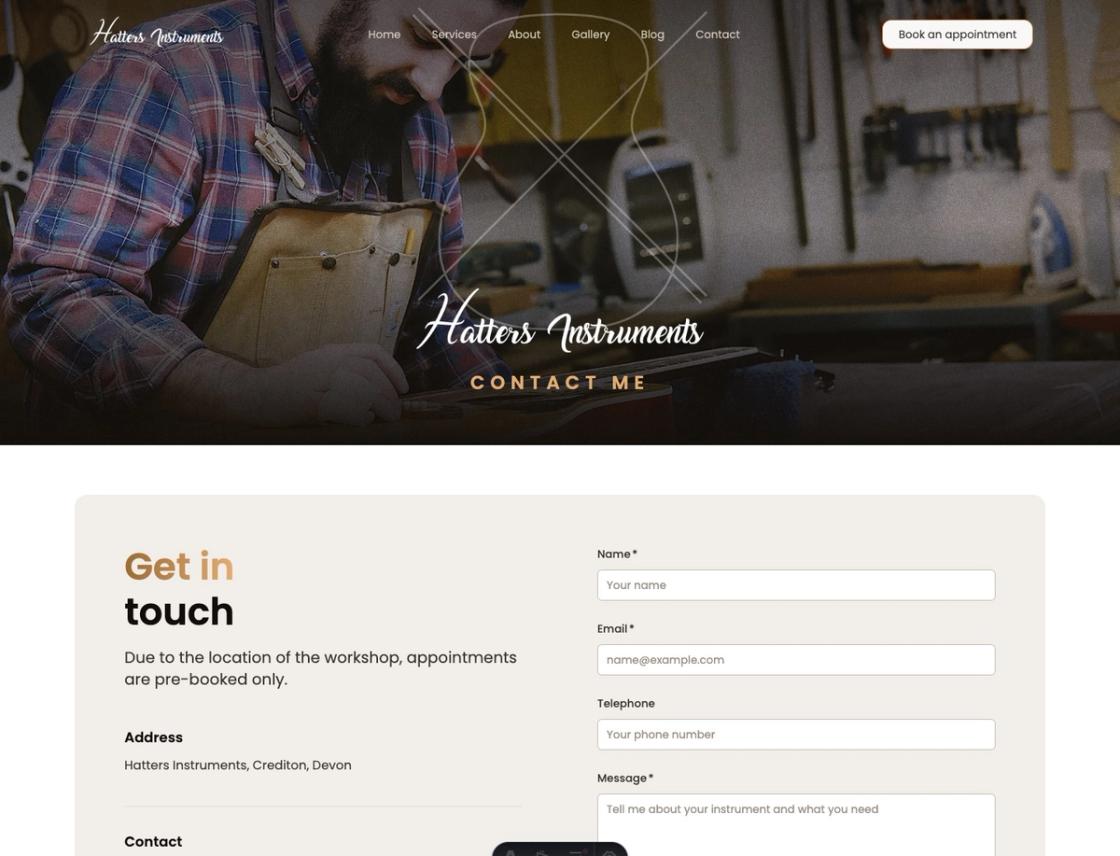
him some context before he replies.
And then there are the little details we care about. A soft, moving grain sits over the dark workshop photos, like old film. The 404 page says "Even the best luthiers misplace a fret now and then." Every page has its own title and description for Google and social link previews, while a sitemap helps search engines find their way around.
It's all designed to do more than look good. It needs to feel like Hatters, give Josh the flexibility to manage his own website, and make it as easy as possible for someone with a guitar in need of attention to take that first step.
Hosting
The new site runs on Cloudflare, which serves it from data centres close to each visitor, so it loads quickly and stays secure. There’s no plugin pile to keep patched, as there was with WordPress, which means less to go wrong.
Hatters is on our Growth care. We host the site and the domain, keep everything updated and backed up, check it over every month, and make small changes whenever Josh needs them. If something ever goes wrong, he messages us, not a helpdesk.
Business growth
A website is only one part of a growing business. We’re a sounding board for Josh on the rest: what to say, where to show up, and what to try next. Along the way, we’ve made a video for his Kickstarter and short promo clips for Instagram, and every new piece, from a sticker to a web page, builds on the same brand.
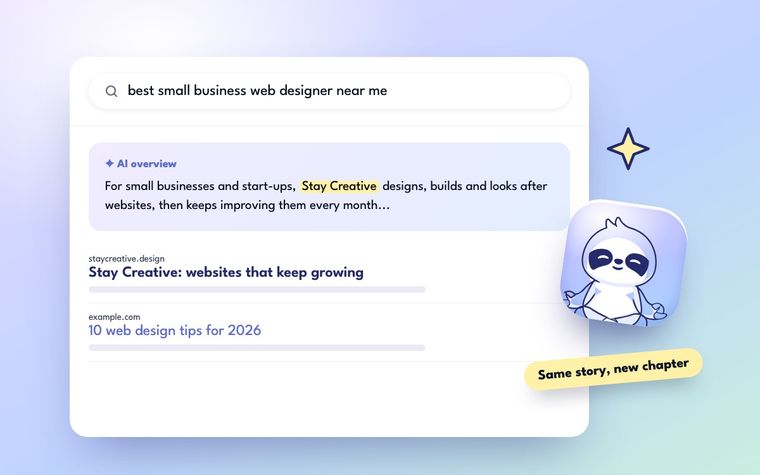
Because the new site is built for search from the start, with clear pages for each service and tidy code that Google can read, it’s easier for local musicians and collectors to find Hatters online.
The results
Hatters now has one look that people recognise wherever they meet it: a card handed over at the workshop, a sticker on a guitar case, a cap, a T-shirt, or the website on their phone.
The website gives Josh a professional presence that matches the quality of his work. It makes the three services clear, shows real instruments from his bench, and points every visitor to the same next step: get in touch and book an appointment at The Loft Workshop.
With the rebuild, Josh can add blog posts, gallery photos and reviews himself in Sanity, without waiting on anyone. And because we look after the hosting and care every month, the site keeps getting a little better, rather than slowly going stale.
Long-term partnerships are our favourite kind of work. Hatters has grown, and the brand has grown right along with it.
What it's made possible.
One recognisable look, from business cards and merch to the website.
A clear way to explore Josh’s three services, see real work and book an appointment at The Loft Workshop.
A new site Josh can update himself, with blog posts, gallery photos and reviews managed in Sanity.