
AIO is SEO with a new name. Same story, different chapter.
Everyone's talking about AI search like it changes everything. Here's why the basics that got you found on Google still do the heavy lifting.
Every few years, something turns up that's meant to change search forever. Right now, it's AI.
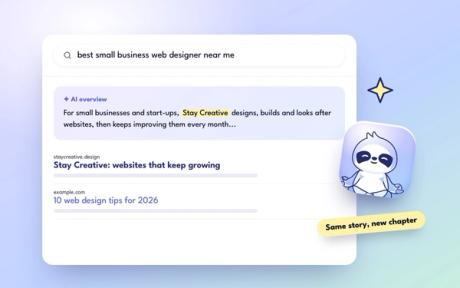
People are asking ChatGPT, Claude and Google's AI overviews their questions, instead of scrolling through a page of links. And, as always, a new acronym has arrived with it: AIO.
So do you need a whole new plan? Mostly, no. And that’s good news.
So what is AIO?
AIO stands for AI optimisation. It means helping AI tools understand your business well enough to mention you when someone asks a question you can answer.
If that sounds familiar, it should. SEO (search engine optimisation) is the same idea, aimed at Google’s search results. Both are about being the clearest, most trustworthy answer to a real question.
AI tools read the web much like search engines do. They look for pages that answer a question clearly, come from a business that seems real, and load quickly without a pile of messy code in the way.
What’s actually changed
Honestly? The front door. People used to type two or three words and pick a link. Now many ask a full question, in a full sentence, and get a short written answer back. Sometimes that answer names a business. Sometimes it links to where it found the answer.
That changes how people find you. It doesn’t really change what makes a good page. The pages AI tools lean on tend to be the same ones that do well on Google: clear, useful and up to date. And it’s not a niche habit any more. Ofcom’s 2026 research found just over half of UK adults (54%) now use AI tools like ChatGPT, up from 31% the year before, and three in four people online read the AI summaries at the top of their search results at least some of the time.

The basics still do the heavy lifting
- Answer real questions. Write pages and posts around what your customers actually ask you, in the words they use.
- Say who you are, clearly. Your name, what you do, where you are and how to reach you, written the same way everywhere.
- Keep it fast and tidy. A quick, well-built site is easier for everyone to read, people and machines alike.
- Keep it fresh. Regular, useful updates show you’re still here and still good at what you do.
Same story, different chapter. The basics still do the heavy lifting.
A few small things worth doing differently
There are a couple of extras. None of them is magic, but they help.
- Sum it up near the top. AI answers love a clear sentence they can quote. Start each page with a line or two that says what it’s about.
- Use headings that ask the question. “How much does a website cost?” is easier to match than “Pricing info”.
- Be mentioned where AI tools look. Reviews, good local listings and other trusted websites all help a tool feel confident about you.
- Add structured data. This is a small bit of hidden code that labels things, like “this is our address” or “this is a blog post”, so machines don’t have to guess. It’s a quick job for whoever looks after your site.
What it won’t fix
None of this works without the basics. If your site is slow, vague or hard to read, no clever trick will save it.
It’s also worth being wary of anyone selling a secret AIO formula. These tools change often, and most of their rules aren’t written down anywhere. Good content, a clear message and a well-built site have come through every search shake-up so far. We’d bet on them again.

Where to start this week
If you’d like a small, practical first step, try this:
- Ask an AI tool about your kind of business in your area, the way a customer would. See what comes back.
- Read the first two lines of your home page. Do they say plainly what you do, and who for?
- Check your business name, address and phone number match everywhere you’re listed.
- Pick one question customers ask you all the time, and write a short post that answers it.
That’s it. No new acronym required.
One job, not two
For us, SEO and AIO are one job. We build sites to be fast and clear from the start, then keep improving them every month as part of our Growth care.
If you’re wondering how your own site looks to search engines and AI tools, we’re always happy to take a look and talk it through. Just say hello.

Emma started Stay Creative to keep doing the work she loves, with people who love what they do. She designs much of what you see here and enjoys helping businesses grow through creative design, clever UX and fresh thinking. She's passionate about new web technologies, SEO and AI, always looking for better ways to bring ideas to life online.
More from Emma